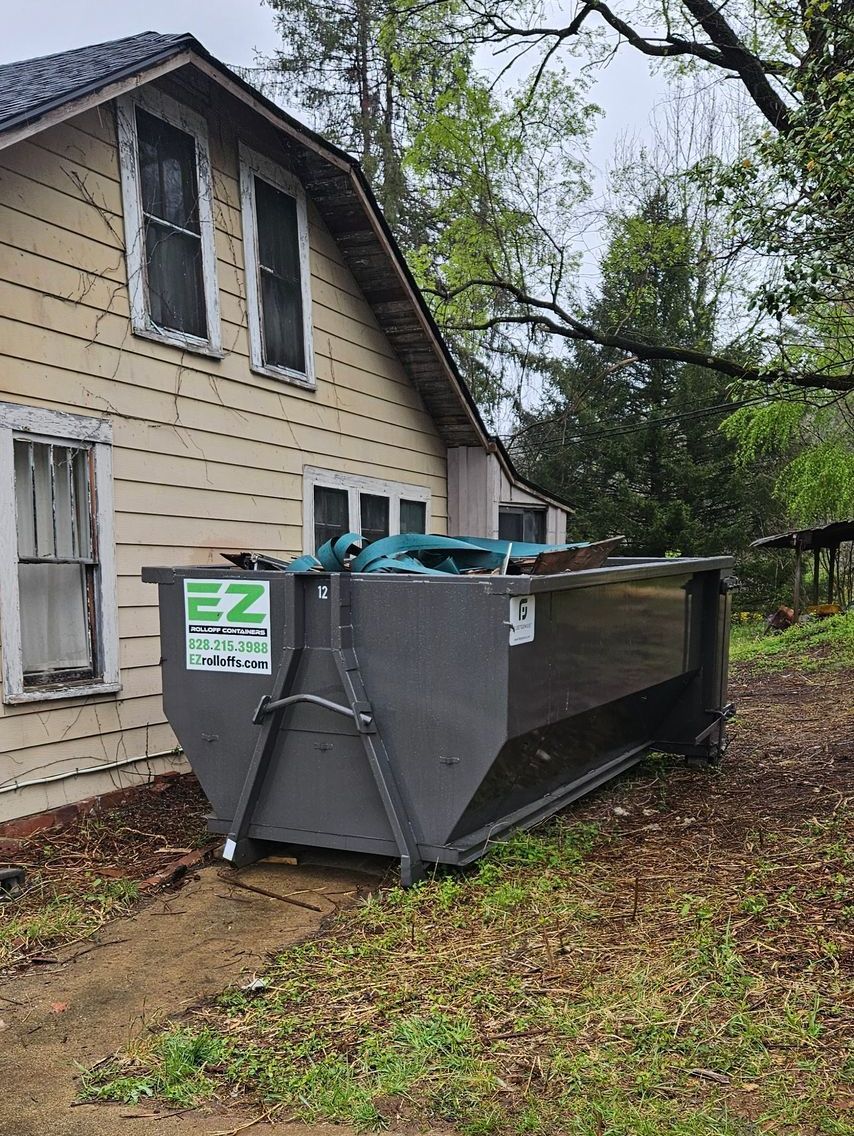
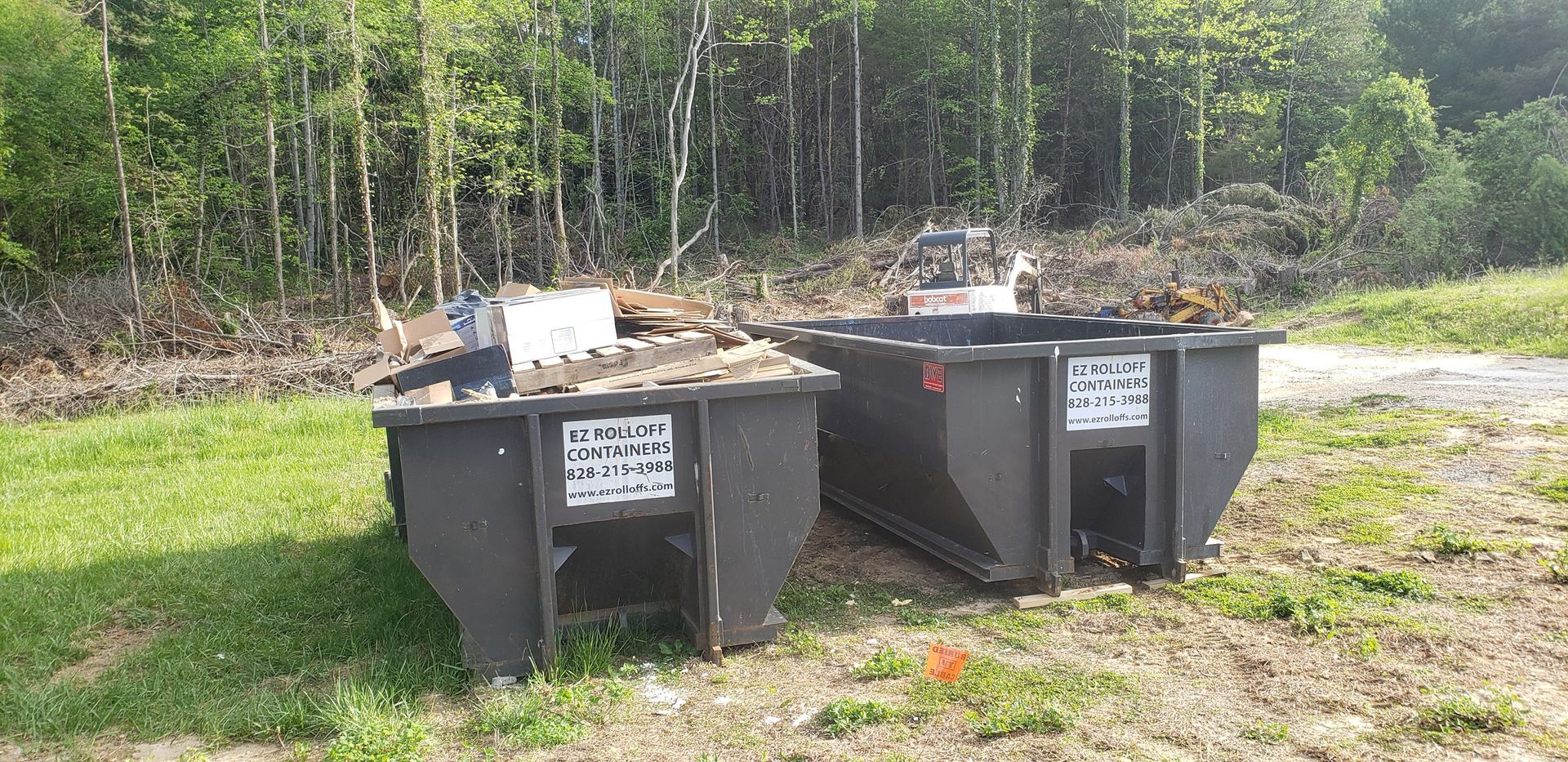
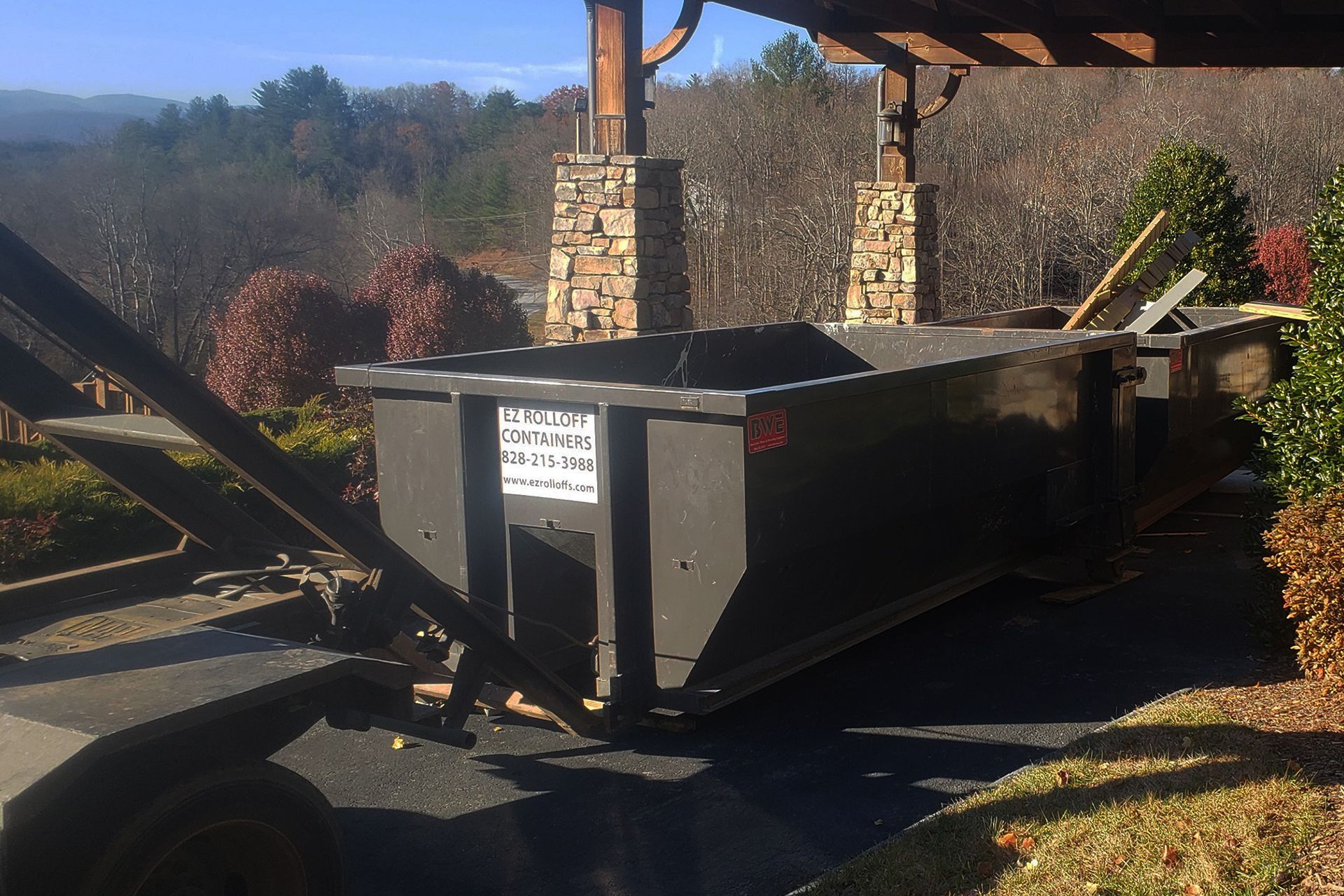
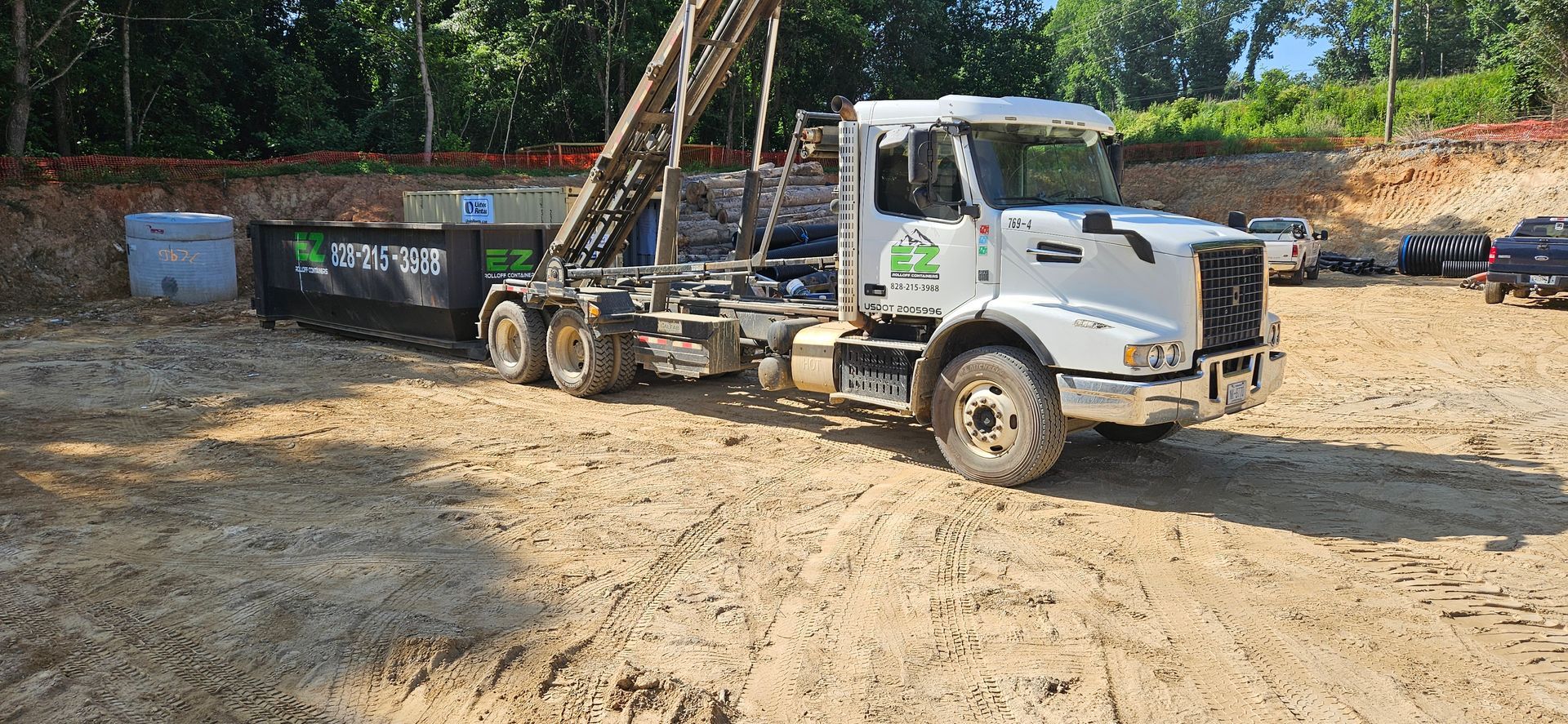
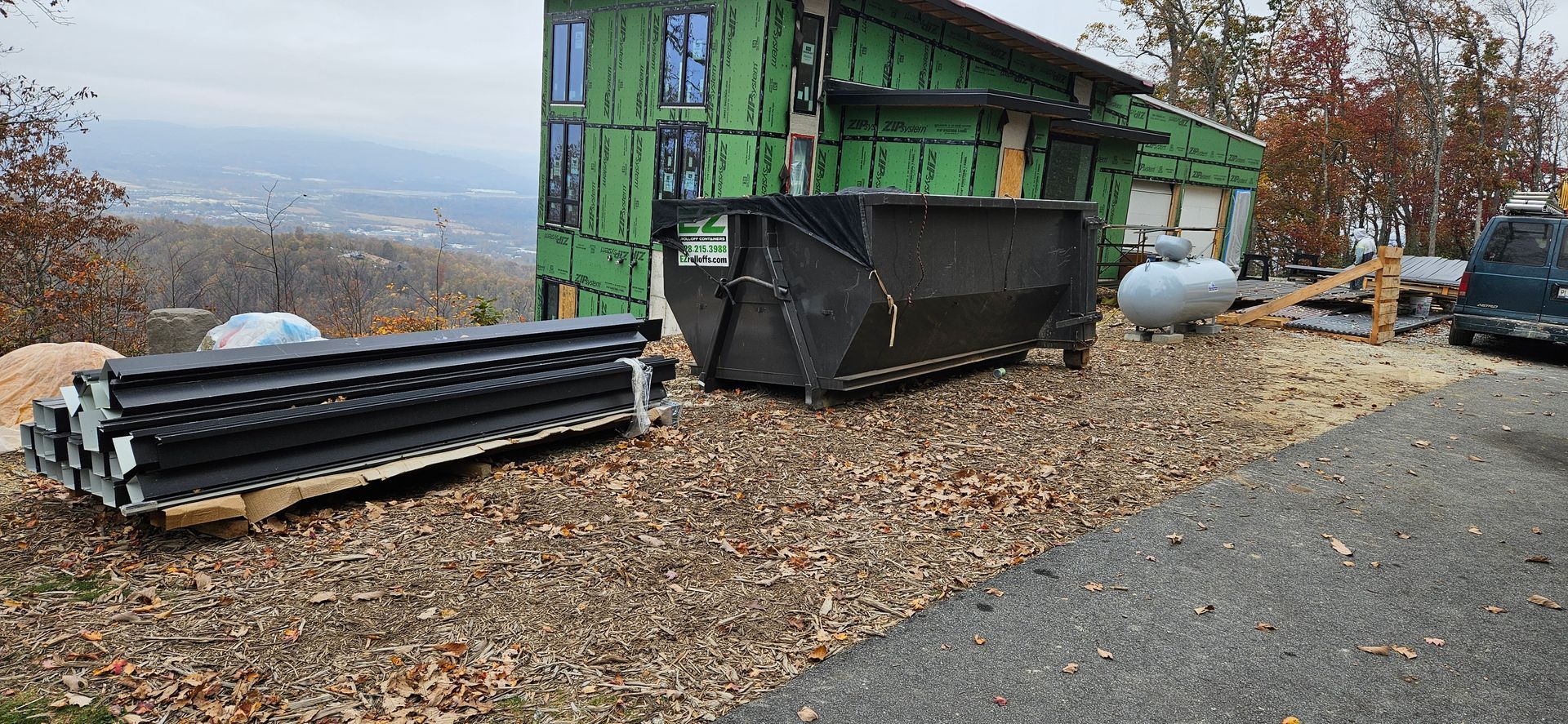
A full home cleanout in Mills River NC works best with a clear plan: walk through the property to estimate volume, set a realistic timeline, choose the right roll off dumpster size, separate donations from disposal, and load the container correctly. A 10 to 15 yard dumpster covers most small homes, a 15 to 20 yard dumpster fits medium-sized homes, and larger properties or estates typically need a 20 yard container or larger. Booking the dumpster early keeps sorting, donation drop-offs, and final pickup on schedule from start to finish.
A family home in Mills River NC often holds decades of furniture, keepsakes, and everyday clutter that build up quietly over the years. When a move, an estate settlement, or a decision to downsize arrives, all of that accumulated volume becomes a project that needs a plan. Clearing out a house is rarely a weekend task. It involves sorting, donating, and disposing of items in a way that keeps the process organized instead of overwhelming. Between the orchards along Sky Top Orchard Road and the quiet, suburban-rural streets that define the area, Mills River properties tend to have extra square footage in garages, basements, and outbuildings, which means a bigger volume of accumulated belongings than a typical in-town lot. This guide walks through a home cleanout Mills River NC families and property managers can follow step by step, from the first walkthrough to the final dumpster pickup, covering the full process across Henderson County.
Step 1: Assess the Scope Before Moving Anything
Before boxes get packed or a dumpster gets ordered, a full walkthrough of the property sets the foundation for the entire cleanout. Walking through every room, closet, attic, and garage gives an accurate picture of total volume instead of a guess based on memory alone.
• Walk every room, including attics, garages, and storage sheds, and note the approximate volume of items in each.
• Sort belongings into four categories: keep, donate, recycle, and dispose.
• Flag special items that need separate handling, such as electronics, paint cans, propane tanks, or old batteries, since these typically cannot go in a standard roll off container.
This initial assessment shapes every decision that follows, from dumpster size to the length of the rental period, so it deserves more time than a quick glance through the house. Homes on larger Mills River lots often include a detached garage, a barn, or a storage shed in addition to the main structure, and each of these spaces adds volume that a room-by-room count of the house alone would miss.
A simple written inventory, even a rough one, prevents surprises once the dumpster arrives. Noting which rooms hold the heaviest volume, which closets are packed floor to ceiling, and which outbuildings still need a walkthrough turns a vague sense of "a lot of stuff" into a concrete plan that a container size and a timeline can be built around.
For estate cleanouts specifically, this step often carries emotional weight alongside the logistical one. Sentimental items, family photographs, and generational furniture pieces frequently surface during the walkthrough, and setting these aside in a clearly marked area early on prevents them from getting mixed in with general clutter once the pace of sorting picks up later in the week.
Step 2: Set a Realistic Timeline for a Mills River Home Cleanout
Timelines for a full home cleanout guide vary based on home size and the amount of accumulated belongings. A one to two bedroom home with moderate clutter often clears out in two to three days, while a three bedroom home with a garage and attic in use typically takes four to six days. Estate properties or homes with decades of storage can run one to two weeks, especially when sentimental items need careful sorting.
Building in one or two buffer days accounts for unexpected volume, items that need special disposal research, or family members reviewing keepsakes before anything leaves the property. Once a rough timeline exists, the dumpster delivery date should align with the actual start of sorting rather than the target move-out date, so the container sits on-site for the full working window instead of an idle week beforehand.
Weather and seasonal timing also play a role in western North Carolina. Fall cleanouts often overlap with harvest season traffic near the local orchards, which can affect delivery windows on narrower rural roads, while spring cleanouts tend to book up quickly as families use the milder weather to tackle garages and outbuildings. Confirming a delivery date a week or two ahead of the planned start avoids last-minute scheduling conflicts during these busier stretches of the year.
A written schedule broken into daily goals, such as clearing the garage on day one and the attic on day two, keeps momentum steady across a multi-day cleanout. This approach also makes it easier to bring in extra help for specific days rather than committing family members or hired labor to the entire project at once.
Step 3: Choose the Right Dumpster Size for a Home Cleanout
• Small home (1-2 bedrooms): a 10 to 15 yard container generally handles the volume.
• Medium home (3 bedrooms): a 15 to 20 yard container fits most standard cleanouts.
• Large or estate property: a 20 yard container or larger, discussed directly with the provider based on the walkthrough findings.
Matching container size to the scope identified in Step 1 avoids the cost of a second delivery. Browsing available
dumpster rental in Mills River NC options ahead of time helps confirm size, delivery windows, and driveway placement requirements before the cleanout date arrives.
Estate cleanouts and larger properties benefit from a direct conversation with the provider rather than a size chosen from a general guide alone. A property with a full attic, a finished basement, and a detached garage can easily fill a 20 yard container faster than expected, and a second container mid-project costs more in both time and money than starting with the right size from the beginning.
What to Donate Before the Dumpster Arrives
• Furniture, clothing, and household goods still in good, usable condition.
• Small appliances, kitchenware, and tools that work but are no longer needed.
• Items in excellent condition that qualify for tax documentation when donated to a registered charity.
Local drop-off and pickup options make this step easier. Searching
Habitat for Humanity ReStore donation locations turns up nearby chapters that accept furniture and building materials in good condition. Properties in the surrounding area, including nearby Hendersonville, follow the same sorting logic, and
roll off containers in Hendersonville work well for homeowners handling a similar cleanout just outside Mills River. Keeping a simple donation log with photos and estimated values makes tax season easier for anyone claiming the deduction.
Sorting for donation works best when it happens before the dumpster is even scheduled to arrive. Setting aside a garage bay, a spare room, or even a covered porch as a staging area for donation items keeps them separate from disposal items and reduces the chance of a usable dresser or a working lamp ending up in the container by mistake.
Furniture in solid condition, working small appliances, and clothing without significant wear all tend to have donation value even when a family no longer wants to keep them. Checking a charity's current acceptance list before loading a truck saves a wasted trip, since many local donation centers pause acceptance of large furniture or electronics during high-volume seasons.
What Goes in the Dumpster During a Home Cleanout?
• General household junk: broken furniture, worn-out mattresses, and general clutter that has no resale or donation value.
• Renovation remnants from any repairs completed while staging the home, such as drywall scraps, old flooring, or cabinet doors.
• Items to keep out of the container: electronics, paint, propane tanks, and batteries, all of which require separate disposal under most local regulations.
For items that cannot go in the dumpster, the
EPA recycling guidelines outline proper disposal paths for electronics, batteries, and other common household hazards, which keeps the cleanout compliant and reduces the risk of rejected loads at the landfill.
Homes that have gone through even minor repairs before a sale or a move often produce more renovation debris than expected. Old cabinet doors, worn carpet padding, or a section of replaced fencing all count toward total weight, so factoring these into the volume estimate from Step 1 helps avoid overage charges tied to exceeding the container's weight limit.
Mattresses and box springs deserve a specific note, since some local waste facilities require these items to be bagged or handled separately due to size and material. Confirming acceptance rules with the dumpster provider before loading day prevents a bulky mattress from sitting on the curb after the container has already been hauled away.
How to Load a Roll Off Container Efficiently During a Cleanout
• Start with heavy, flat items on the bottom, such as furniture panels or large boxes, to create a stable base.
• Fill gaps between larger pieces with smaller items instead of stacking everything loosely on top.
• Leave nothing piled above the container rim, since overfilled dumpsters typically cannot be picked up until the load is leveled or removed.
Efficient loading often means the difference between one container and a costly second haul, particularly for medium to large properties with a full cleanout timeline. Breaking down large items before loading, such as disassembling a bed frame or flattening cardboard boxes, also frees up space that would otherwise be wasted on awkward, bulky shapes.
Multiple people working the cleanout at once benefits from a short daily check-in on how full the container has become. Catching an overfill risk two days in rather than on delivery pickup day gives enough time to adjust pace or request a swap if the volume estimate from Step 1 turns out to be on the low side.
Final Steps: Property Ready for Sale or Move-In
• Complete a post-cleanout walkthrough checklist covering every room, closet, attic, and outdoor structure.
• Schedule pickup once the container is filled, ideally a day or two ahead of the planned move-in or listing date.
• Set aside any items the dumpster cannot accept, and arrange separate disposal or recycling before the final walkthrough.
Once these steps are complete, the property is ready to show, list, or hand off, with the bulk of the physical work already cleared from the timeline. Real estate agents and property managers handling a vacant Henderson County property often build this final walkthrough into the listing prep schedule, since buyers and renters respond better to a clean, empty space than one still holding traces of the previous cleanout.